Thinking About Open Cell Spray Foam?
So, you're looking into open cell spray foam for your home here in Arlington Heights. Good for you. It's a great product, and when it's done right, it can make a huge difference in your comfort and energy bills. But like anything else, there's a right way and a wrong way to approach it. As someone who's been doing this for a long time, I've seen it all. Let's talk about what you need to know.
What Even IS Open Cell Spray Foam?
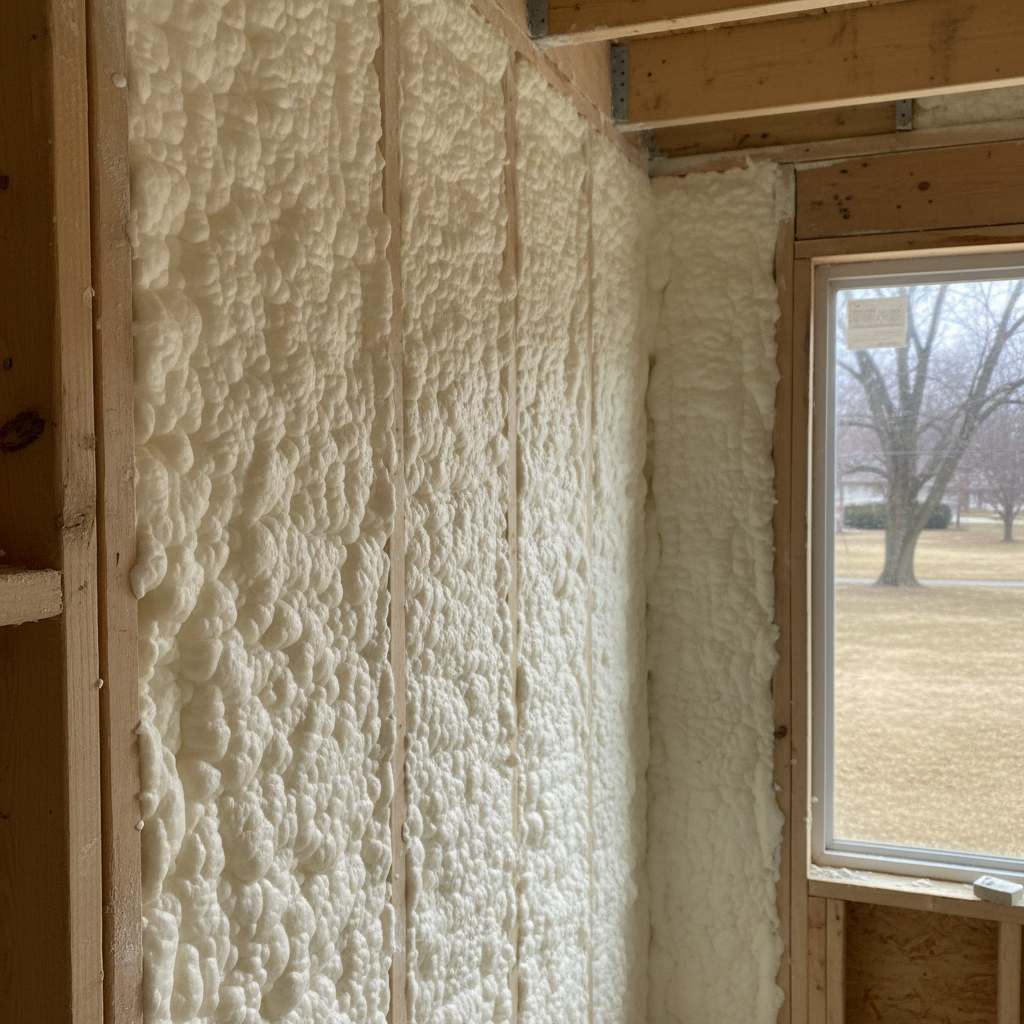
Alright, first things first. What are we even talking about? Open cell spray foam is a type of insulation that, when applied, expands to fill cavities. Think of it like shaving cream, but it hardens into a soft, spongy material. The 'open cell' part means the tiny cells that make up the foam aren't completely closed off; they're interconnected. This makes it a great air barrier and an excellent sound dampener, but it's also permeable to moisture vapor. That's a key difference from closed cell foam, and it's important for how and where you use it.
It's typically used in attics, crawl spaces, and wall cavities. It seals up all those tiny gaps and cracks that traditional insulation just can't get to, stopping drafts cold. You'll feel the difference, especially during those brutal Chicago winters or sticky summer heat waves. Plus, it's really good at reducing noise, which is a nice bonus if you live near a busy street or have a noisy family.
Before You Do Anything: Planning & Prep
Don't just jump into this. A little planning goes a long way. First off, figure out *where* you want to install it. Is it your attic? A crawl space? Maybe some exterior walls? Each area has its own considerations. For instance, if you're doing an attic, you'll need to decide if you want to insulate the attic floor or the underside of the roof deck. Insulating the roof deck brings your attic into the conditioned envelope of your home, which is often a smart move for energy efficiency and can even protect your HVAC ducts if they're up there.
You also need to understand the moisture situation in your home. Because open cell foam is vapor permeable, it's generally not recommended for below-grade applications or areas where it might get wet, like directly against the foundation in a damp basement. Here in Arlington Heights, with our clay soil and sometimes wet basements, you've got to be careful. You don't want to trap moisture. A good contractor will assess this thoroughly.
Can you DIY? Look, a small, non-critical area, maybe. But applying spray foam correctly is an art and a science. You need specialized equipment, proper safety gear, and a good understanding of how the chemicals react. If you mess it up, you're looking at a huge, expensive headache. We're talking about off-ratio foam that doesn't cure right, can sag, or even smell bad. For anything beyond a tiny patch, call a pro. Seriously. At Allied Insulation, we've had to fix more DIY spray foam disasters than I care to count.
During the Project: What to Expect
If you hire a professional, they'll handle most of this, but it's good to know what's happening. The crew will show up with a truck-mounted rig that has two separate tanks of chemicals. These chemicals are heated and pumped through hoses to a special spray gun where they mix and react as they come out. It's pretty cool to watch, but you won't be watching it up close.
Safety is huge. The chemicals involved are reactive, and the fumes during application are no joke. You, your family, and your pets absolutely need to be out of the house for at least 24 hours, sometimes longer, depending on the specific product and ventilation. Don't let anyone tell you otherwise. The crew will be wearing full PPE: respirators, full body suits, gloves, eye protection. They'll also seal off the work area and set up ventilation to exhaust fumes outside.
The application itself is quick once they get going. The foam expands rapidly, filling every nook and cranny. They'll build up layers to achieve the desired R-value. A good installer knows how to get a consistent, even application without overfilling or leaving gaps.
After the Foam is In: Curing & Beyond
Once the foam is applied, it needs time to cure. This is why you stay out of the house. The curing process involves off-gassing, and you want those fumes to dissipate before you move back in. Your contractor should tell you exactly how long to stay away. When you return, the foam should be firm to the touch, odorless, and light in color (usually yellowish or off-white).
You might notice an immediate difference in comfort. Fewer drafts, more consistent temperatures throughout the house. Your furnace or AC won't be running as hard. Over the next few months, you'll see it reflected in your energy bills. It's not magic, but it feels pretty close.
Maintenance for open cell foam is pretty minimal. It's stable once cured. Just make sure it doesn't get wet. If you have a roof leak or plumbing issue, address it immediately. Because it's vapor permeable, it can absorb water, and if it stays wet, you could have problems. That's why proper roof maintenance is so important, especially with our heavy snowfalls and spring rains around here.
If you're thinking about open cell spray foam, do your homework, ask lots of questions, and most importantly, hire a reputable, experienced contractor. It's an investment, and you want it done right the first time.