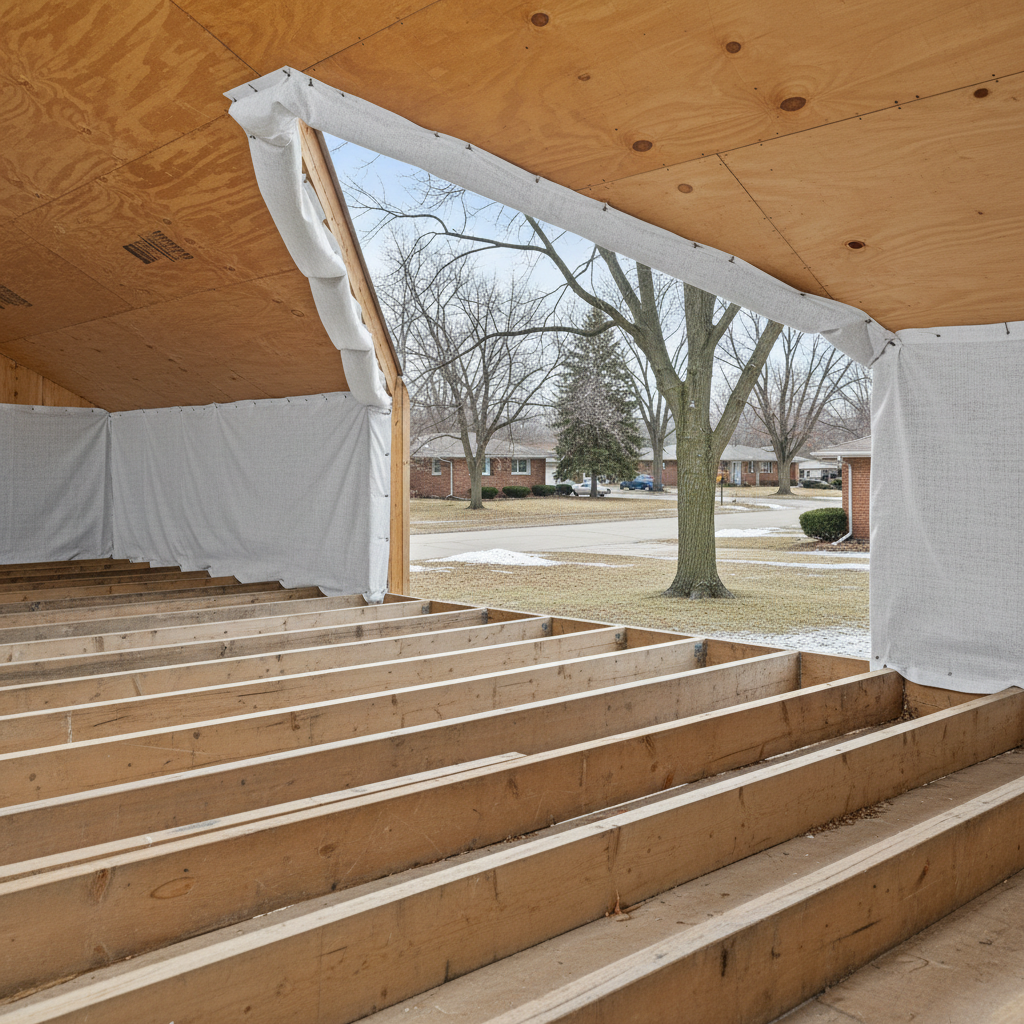
So, you've gone and done the smart thing: had that old, beat-up insulation taken out. Maybe a leaky roof soaked it, or some critters decided it was their personal five-star resort. Whatever the reason, getting it removed is a huge step toward a healthier, more efficient home. But here's the kicker: insulation removal isn't the finish line. Think of it more like cleaning out your garage – you've got to keep it tidy, right? Otherwise, it'll just fill up with junk again.
I'm talking about keeping up with the work we've done, making sure you really get your money's worth, and spotting little problems before they blow up into big headaches. Because, let's be honest, nobody wants to pay for insulation removal twice, especially not with our brutal Illinois winters and humid summers constantly putting stress on a house.
Making Your Insulation Removal Last
When we pull out old insulation, we're not just clearing space; we're giving your attic a fresh start. To keep it that way, you need to tackle the real reasons why we had to remove it in the first place. If water damage was the culprit, you absolutely have to fix that roof or plumbing leak – and I mean permanently. If pests were the problem, those entry points need sealing up. We often help with air sealing when we re-insulate, which is a big piece of this puzzle. But you, the homeowner, have a role to play too, don't forget.
- Seal Up Critter Entry Points: This is a big one. Mice, squirrels, raccoons – they're always hunting for a warm, dry spot to nest, especially when the weather turns cold. Check around your roofline, soffits, and where any utilities go into the house. Even a small gap can be a superhighway for pests.
- Deal with Moisture Sources: Leaky roofs, plumbing vents, bathroom exhaust fans blowing into the attic – these things are insulation killers. Make sure your roof is in good shape, and that all exhaust fans vent outside, not just into the attic space. That's a common mistake I still see in older homes, particularly around the Scarsdale neighborhood.
- Make Sure There's Good Ventilation: Your attic needs to breathe. Good soffit and ridge vents help air move, which stops moisture from building up and prevents those wild temperature swings that can break down insulation over time. If your attic feels like an oven in July or you see frost up there in January, your ventilation might be off.
Regular Maintenance: What to Keep an Eye Out For
You don't need to be climbing into your attic every week, but a quick look around once or twice a year can save you a lot of trouble. I usually tell folks to check in the spring, once the snow melts, and then again in the fall before it gets too cold.
- Look for Pests: Check for droppings, nests, or chewed-up bits of material. Even if you've sealed things up tight, a determined critter can sometimes sneak in.
- Check for Water Stains or Mold: Look at the underside of your roof decking and around any vents or chimneys. Any dark spots or dampness means you've got a leak or a condensation problem. Sometimes, you'll smell mold before you even see it.
- Inspect for Settling or Damage to New Insulation: If you've had new insulation put in, just make sure it still looks good. Blown-in insulation can settle a little over time, but big dips or bare spots might mean an air leak or some other issue.
- Clear Vents: Make sure your soffit vents aren't blocked by insulation or other junk. Air needs to flow freely, remember?
Red Flags That Mean You've Got a Problem
Your house usually tells you when something's wrong; you just have to pay attention. Here are some warning signs that your attic might be having trouble, even after we've removed and re-insulated:
- Energy Bills Suddenly Jump: If your heating or cooling costs spike out of nowhere, without you changing how much you use, it often points to an insulation or air sealing problem.
- Uneven Temperatures: Some rooms are too hot, others too cold? That's a classic sign of insulation issues or air leaks.
- Drafts: Feeling cold air coming from outlets, light fixtures, or around windows and doors, especially upstairs? That's air leaking from your attic or wall cavities.
- Musty Odors: A constant musty smell, particularly on upper floors, can mean mold or mildew is growing because of moisture problems in the attic.
- Pest Noises: Scratching, scurrying, or chirping sounds coming from your ceiling or walls are a dead giveaway that you've got some unwelcome guests.
- Ice Dams: In winter, if you're getting big icicles and ridges of ice at the edge of your roof, it means warm air is escaping into your attic, melting snow, and then refreezing at the colder eaves. This is a huge sign of poor insulation and ventilation, a real problem.
When It's Time to Call a Professional
Listen, I'm a big fan of doing things yourself when it's safe and smart. But some jobs are really best left to the pros. If you see any of those serious warning signs, or if you're just not comfortable getting up into your attic, please don't hesitate to call. Here at Allied Insulation, we deal with these kinds of issues every single day. We can:
- Do a thorough attic inspection: We'll find those hidden leaks, pest entry points, and ventilation problems you might miss.
- Figure out where moisture is coming from: We can pinpoint exactly where water is getting in or where condensation is forming.
- Seal pest entry points: We've got the right tools and know-how to properly seal up those gaps and keep critters out for good.
- Suggest and install proper ventilation: Sometimes, just a simple tweak or adding to your attic ventilation can make a world of difference.
- Do targeted repairs or re-insulation: If a section of your insulation has been damaged, we can often fix it or add to it without needing to pull everything out again.
Your home's attic is its first line of defense against the elements. Keeping it healthy after insulation removal is super important for comfort, saving energy, and avoiding expensive repairs down the road. Don't let your investment go to waste – a little attention really does go a long way.